Warped Reality, Real Rebellion: Why Gen Z Creators Are Making Visuals That Melt Your Brain on Purpose
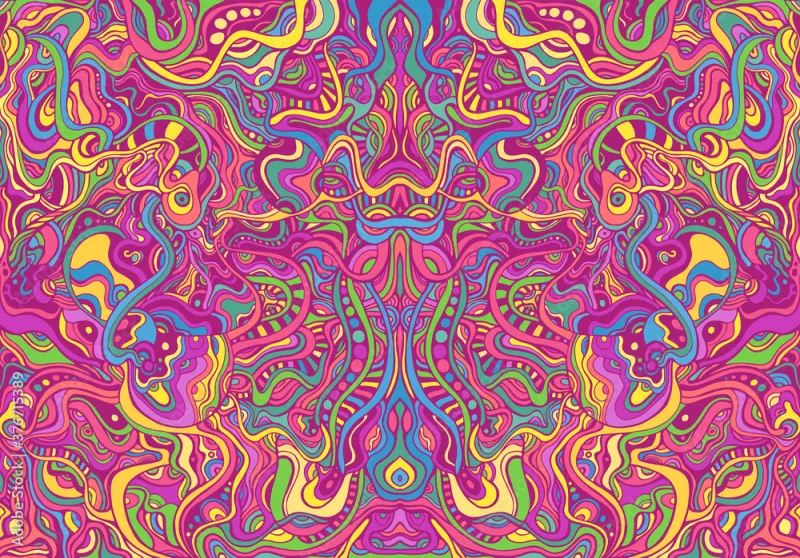
Photo: psychedelic distorted colorful abstract visual art trippy, via as2.ftcdn.net
There's a moment you've probably experienced scrolling through your feed — somewhere between the fifteenth perfectly lit lifestyle reel and the third color-graded sunset — where your brain just... checks out. Everything looks the same. The same warm tones, the same editorial framing, the same invisible hand of a preset dragging every piece of content toward the same beige center of the universe.
And then something stops you cold. Colors that shouldn't coexist bleeding into each other. A face that's been stretched into something almost human. A sky that's melting upward. You don't know whether to keep watching or look away, and that tension? That's exactly the point.
This is the psychedelic visual movement that's been quietly building in the margins of TikTok, underground music video culture, and experimental short film — and it's not an accident. It's a language. A deliberate, defiant one.
The Aesthetic Has a History, But the Intent Is New
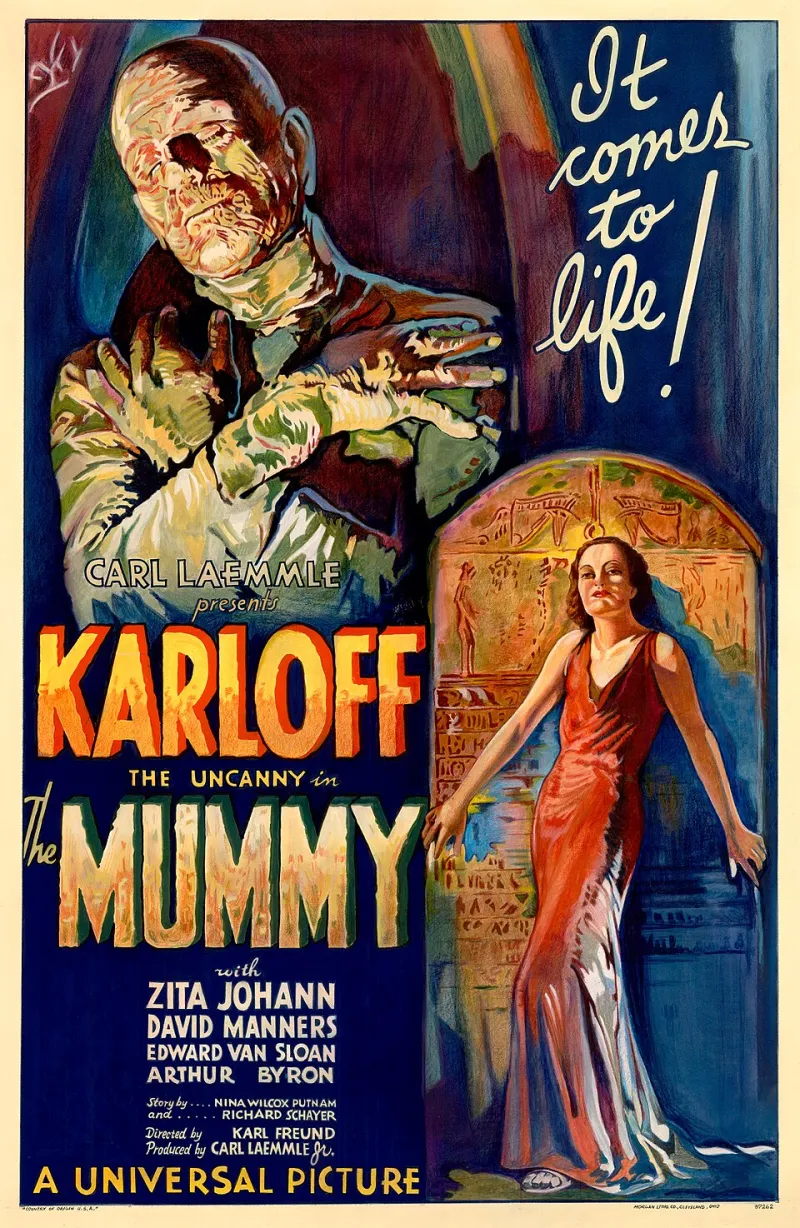
Let's be clear: trippy visuals didn't start with a Gen Z creator using a free distortion plugin in CapCut. The lineage runs deep. Think Kenneth Anger's ritualistic film experiments in the 1950s, Stan Brakhage physically scratching film stock in the '60s, or the liquid light shows that turned Fillmore West concerts into full-body sensory experiences. These were artists who understood that the visual frame itself could be a site of rupture — that making the eye uncomfortable was a radical act.
The 1960s counterculture weaponized psychedelic visuals against the clean, corporate aesthetic of postwar America. Saturated color, optical illusions, and surreal imagery weren't just decoration; they were a direct challenge to the idea that "good" visual art meant orderly, readable, and safe.
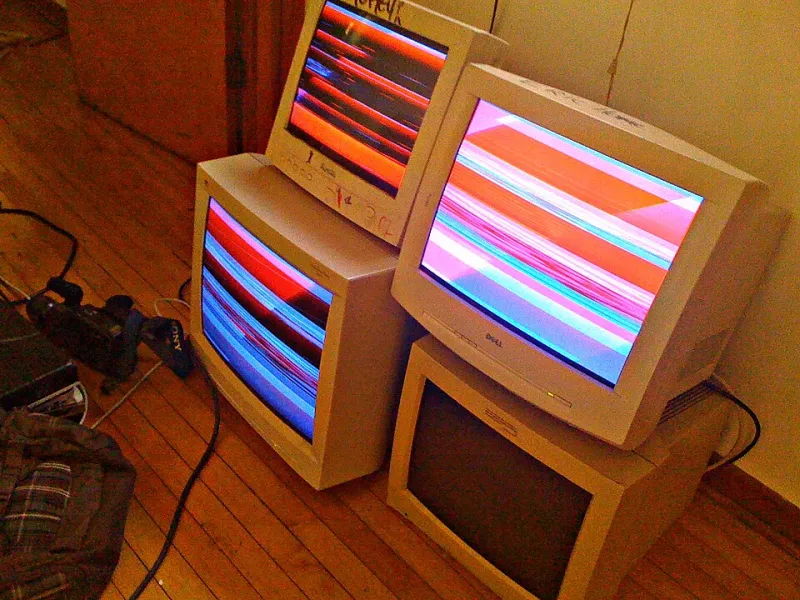
Fast forward through the neon excess of the '80s, the VHS glitch aesthetic of early '90s alt-culture, and the chaotic web design of early internet, and you start to see a through-line: every generation that feels culturally suffocated eventually reaches for visual language that breaks the rules of legibility.
We're living through another one of those moments right now.
Streaming Culture Created the Conditions for This Revolt
Here's the thing about the streaming era — it didn't just change how we watch content, it changed what content is supposed to look like. Netflix, Hulu, YouTube's algorithm, Instagram's recommendation engine: they all quietly enforce a visual grammar. High resolution. Clean audio. Consistent pacing. Emotional arcs that resolve. The whole ecosystem rewards content that feels frictionless, and over time, "frictionless" became synonymous with polished, expensive, and frankly kind of soulless.
For younger creators who came up watching this happen in real time, the reaction was almost inevitable. If the mainstream looks like a $10 million production budget trying to simulate authenticity, then authenticity has to look like something else entirely. Something that refuses to be frictionless. Something that demands you actually engage with it.
Psychedelic visuals offer exactly that kind of friction. A warped, reality-bending image doesn't let you passively scroll past it. It snags the eye, creates a mild cognitive dissonance, and forces a moment of active processing. In an attention economy built on frictionless consumption, that's practically an act of aggression.
Why It Hits Different Psychologically
There's actual brain science behind why distorted, surreal imagery grabs us the way it does. Our visual cortex is constantly running a prediction engine — using past experience to anticipate what we're about to see. When imagery defies those predictions (a face that's slightly too wide, colors that vibrate against each other in ways that feel almost painful), the brain sends up a flare. Attention spikes. Time perception shifts.
For an audience that grew up with infinite content competing for their focus, that spike feels rare and valuable. It feels like being seen by something, rather than just shown something.
But beyond the neuroscience, there's an emotional resonance that's harder to quantify. Psychedelic visuals carry an inherent instability — they suggest that reality itself is negotiable, that the solid surfaces of the world are actually pretty porous. For a generation navigating genuine uncertainty about climate, economic precarity, and shifting social landscapes, that visual metaphor hits close to home. The world does feel like it's melting at the edges. Why shouldn't the art reflect that?
What It Looks Like in Practice
Scroll deep enough into the right corners of TikTok and you'll find creators building entire visual identities around this aesthetic. We're talking hand-painted overlays that bleed across footage, analog synth scores paired with VHS-degraded imagery, color palettes that feel lifted from a fever dream — magentas fighting with acid greens, shadows rendered in violet, skin tones pushed into something almost alien.
In the music video space, it's even more pronounced. Underground directors working with indie and experimental artists are producing work that looks like it was shot through a kaleidoscope dipped in motor oil — and those videos are getting passed around like contraband precisely because they feel so out of step with what the major labels are funding.
What unites all of it is intentionality. This isn't accidental weirdness or technical limitation being spun as a virtue (though there's a proud tradition of that, too). These creators know exactly what they're doing. They're making a choice — to be harder to look at, harder to categorize, harder to scroll past without feeling something.
The Countercultural Stakes
It would be easy to dismiss this as just an aesthetic trend, another cycle in the endless churn of visual fashion. But that reading misses what's actually at stake.
When creators deliberately make work that looks wrong by mainstream standards — that refuses the clean lines and optimized palettes of algorithm-approved content — they're doing something genuinely political. They're asserting that visual culture doesn't belong to the platforms, the brands, or the content strategists. They're carving out space for images that exist on their own terms, that prioritize feeling over legibility and experience over engagement metrics.
The 1960s psychedelic movement was never just about drugs or pretty colors. It was about expanding what consciousness could look like — and by extension, what culture could be. The current generation of experimental visual creators is running a similar play. Different tools, different context, same fundamental argument: reality is more malleable than they're telling you, and art is the proof.
At Acid Rain Video, we've been watching this movement build for a while now. And honestly? We're here for every melting frame of it. The visual landscape gets more interesting every time someone decides that "good" is a cage worth breaking out of.
Keep your feed weird. The algorithm will survive.