Grainy, Glitchy, and Completely Unstoppable: How Lo-Fi Creators Are Torching Hollywood's Definition of 'Good'
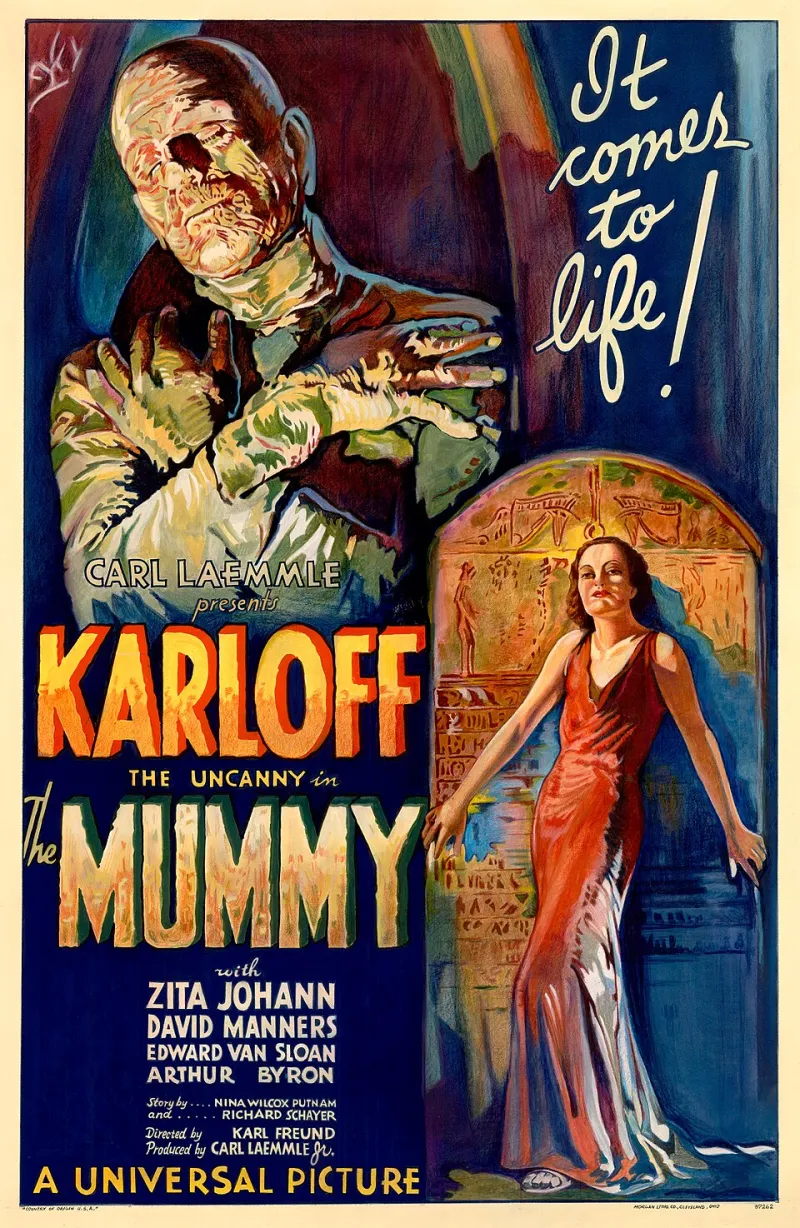
Photo: Karoly Grosz, Public domain, via Wikimedia Commons
Somewhere in a studio lot in Burbank, a very expensive creative director is staring at a TikTok with 40 million views and trying to figure out why it looks like it was shot on a microwave. The colors are blown out. The cuts are jarring. There's a weird VHS flicker that shouldn't be there. And yet — people cannot stop watching it.
Welcome to the new visual order. The acid rain is falling, and it's dissolving every assumption the entertainment industry ever made about what audiences actually want.
The Phone in Your Pocket Is a Weapon
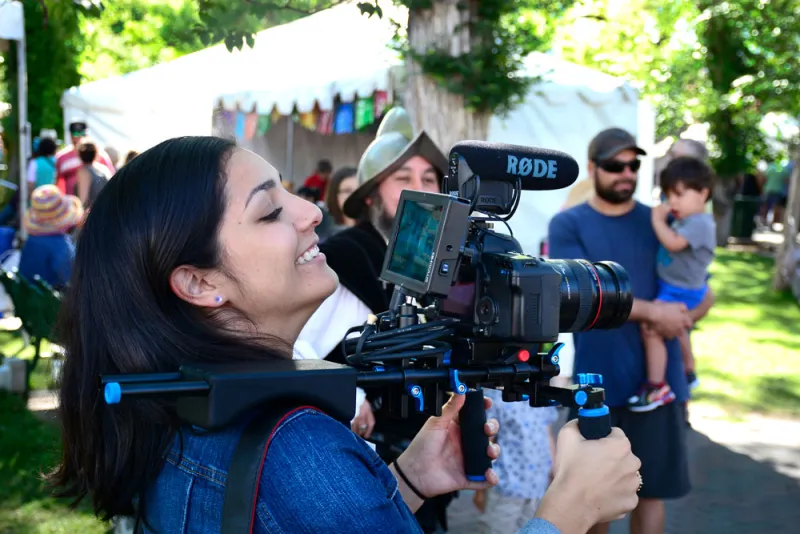
For decades, 'production value' was Hollywood's most effective gatekeeping tool. If you didn't have access to the cameras, the lighting rigs, the color graders, and the post-production suites, you simply couldn't compete. Your work looked amateur. It looked cheap. It looked wrong.
That entire framework is now in the trash.
Creators on TikTok — and increasingly on YouTube Shorts and Instagram Reels — are doing something genuinely radical. They're not just making content with cheap equipment because that's all they have. Many of them are choosing the degraded aesthetic on purpose. They're adding grain filters over crisp footage. They're keeping the shaky handheld movement instead of stabilizing it. They're leaving in the jump cuts, the weird color casts, the moments where the audio clips. Not because they don't know better. Because they've figured out that 'better' was always a lie sold to them by people who needed them to feel inadequate.
This is creative resistance with a phone camera and a CapCut subscription.
What 'Authentic' Actually Looks Like Now
There's a reason the lo-fi aesthetic hits differently than polished content, and it's not just nostalgia (though that's part of it). When you watch something that looks too perfect — too color-corrected, too smoothly edited, too cinematically composed — your brain registers it as a performance. It's beautiful, sure. But it's also distant. Managed. Corporate.
Lo-fi visuals short-circuit that response. The imperfections signal intimacy. They say: this wasn't processed through seventeen layers of brand approval. The wobble in the frame, the overexposed window in the background, the text that's slightly off-center — these aren't bugs. They're proof of a human being on the other side of the lens.
Creators like Zaria Forman-inspired phone artists, micro-documentary makers shooting in parking lots at 2am, and the entire ecosystem of bedroom music video directors have collectively redefined what 'authentic' looks like in 2024. And audiences — especially younger ones — are extraordinarily fluent in the difference between genuine lo-fi and a corporation pretending to be lo-fi. (Spoiler: the fake version always looks slightly too intentional.)
The Experimental Techniques That Are Becoming the New Mainstream
Let's talk specifics, because the visual vocabulary these creators are building is genuinely fascinating.
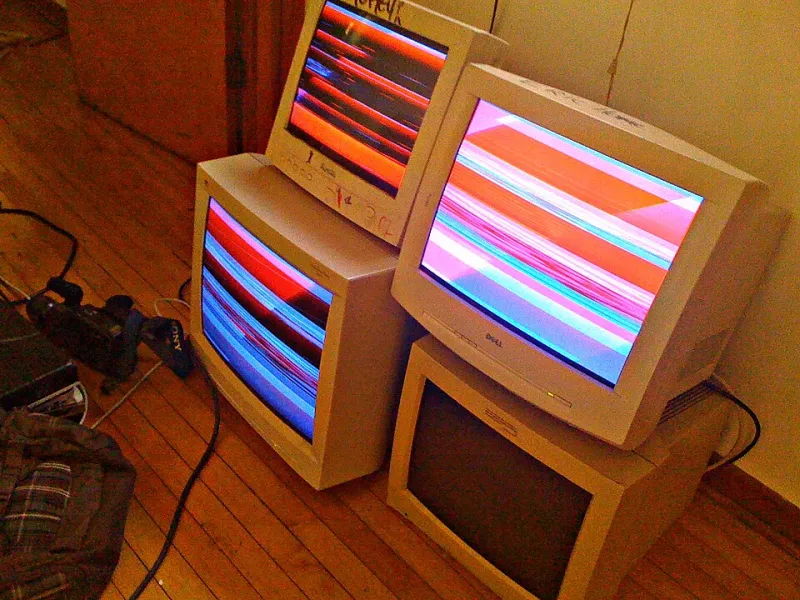
Temporal glitching — repeating frames, stuttering edits, and freeze-then-snap cuts — has migrated from experimental art installations straight into viral content. What used to require After Effects expertise and a working knowledge of avant-garde video art can now be approximated with a free app, and creators are using it to build rhythm and emotional texture in ways that feel completely fresh.
Deliberate overexposure and blown highlights create a kind of dreamlike quality that high-end cameras actually struggle to replicate authentically. When a shot whites out at the edges, it feels like memory. Like something half-recalled. Major cinematographers spend entire careers trying to manufacture that feeling in controlled conditions. A creator in their backyard stumbles into it naturally.
Mixed-media layering — combining phone footage with scanned textures, old photographs, hand-drawn elements, and digital artifacts — is producing some of the most visually interesting work happening in short-form video right now. It's a technique with deep roots in zine culture, experimental film, and collage art, and it's found a massive new audience through platforms that were supposedly built for dance challenges and lip-syncing.
Hollywood's Awkward Imitation Phase
Predictably, the industry noticed. And predictably, the response has been... mixed.
You can see the panic in the attempts. Major labels commissioning music videos with 'authentic' grain filters that look like someone applied a Lightroom preset called 'Indie Vibes.' Streaming platforms greenlighting projects with 'raw' aesthetics that were storyboarded by committee and shot on $80,000 cameras with vintage lenses rented specifically to look casual. The result is something deeply uncanny — technically accomplished work wearing lo-fi aesthetics like a Halloween costume.
The irony is almost too rich: the more Hollywood tries to replicate the democratized aesthetic, the more it exposes how little it understands what made that aesthetic resonate in the first place. You can't manufacture the energy of someone making something real with limited resources. The constraint is the content. The limitation is the style.
Some directors are threading this needle with genuine skill — borrowing the visual language of lo-fi while bringing real craft to the execution. But they're doing it by understanding the roots, not by running it through a trend report.
Where This Is All Going
The lo-fi rebellion isn't a phase. It's a permanent realignment of how visual authority works in this culture. The tools are too accessible, the audience too sophisticated, and the appetite for genuine experimentation too real for any amount of studio money to fully reverse course.
What's exciting — and what keeps Acid Rain Video obsessed with this space — is that the experimental visual language being forged right now in bedrooms and parking lots and phone screens is going to define the aesthetic vocabulary of the next decade. The kids making weird, degraded, glitchy, beautiful little videos today are the directors and visual artists of tomorrow. And they're not going to forget where they came from.
Hollywood can either learn to speak the language or keep shouting in a dialect nobody asked for.
The rain is acidic. It's going to keep falling. And it is absolutely going to leave a mark.