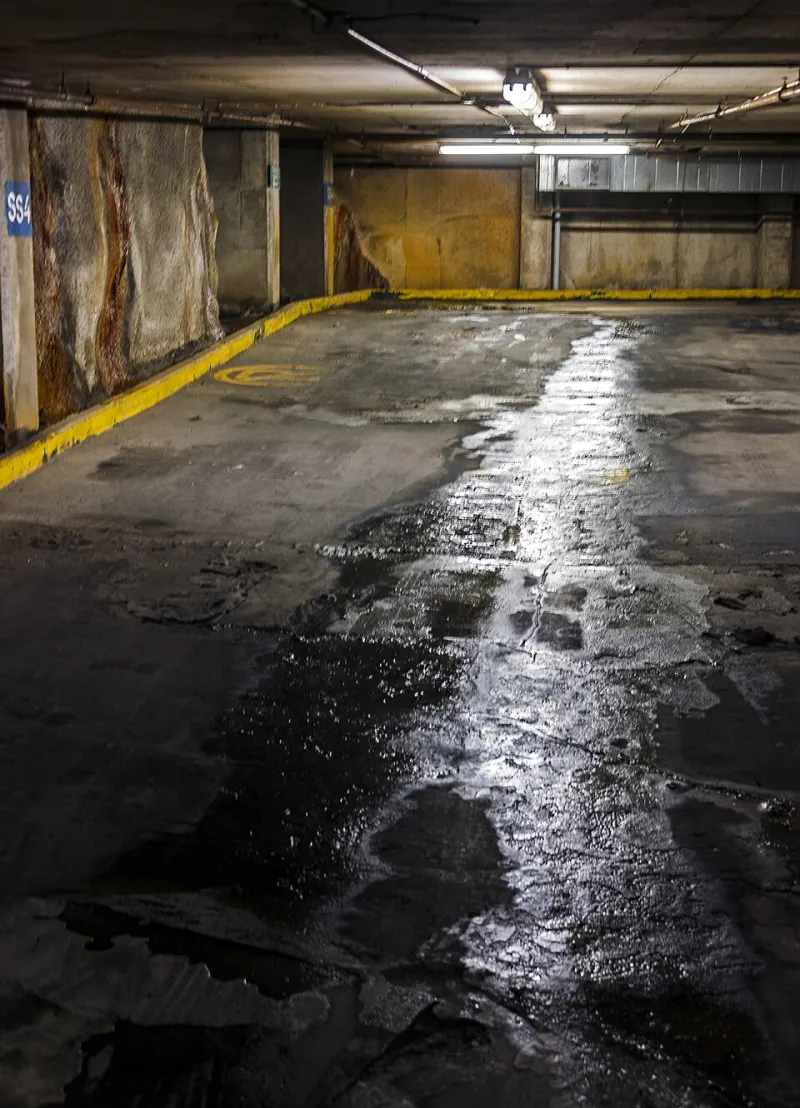
The Revolution Will Be Shot in a Motel Parking Lot
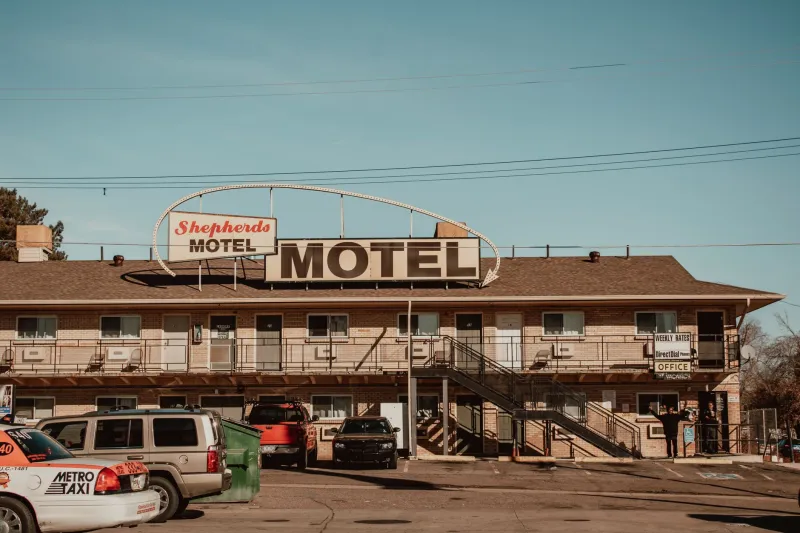
Let me save you the plane ticket: there is no scene.
I spent the last month talking to experimental video makers in three states, half-convinced I'd find the next whatever — the next Williamsburg, the next downtown New York, the next place where the right loft party launches a movement. Instead I found a guy in a motel parking lot outside Toledo, a woman shooting in a suburban basement in Georgia, and a laundromat in Fresno that doubles as an editing suite. And I came away convinced that the absence of a scene isn't a failure of the form. It's the point.
The Myth of the Scene
American art has a geography problem. We've been trained to believe that important work happens in specific zip codes — that you need to move somewhere, pay too much rent somewhere, get seen by the right people somewhere. The gallery system needs this myth. So does the rental market.
But experimental video never needed a room full of people to validate it. The medium's whole history is one person, one camera, one weird idea, and no supervision. The scene was always optional. Increasingly, it's also a liability — scenes flatten, scenes reward the connected, scenes turn rebellion into brand.
Three Rooms in Middle America
Consider the guy in Toledo. He's been shooting the same motel — a fading, L-shaped relic off the interstate — for six years. Every room, the vending machine, the ice machine at 3 a.m. His footage is patient and predatory and completely unclassifiable, and it could not have been made in Bushwick, because Bushwick doesn't have this motel. The place is the medium.
Consider the woman in Georgia, filming her family's basement — wood paneling, exercise bike, deep freeze — as a kind of archaeological site of American domesticity. Her edits treat a Tupperware cabinet with the formal gravity usually reserved for cathedrals. No gallery would show it yet. It doesn't need one.
Consider the laundromat in Fresno, where a young editor cuts music videos on a laptop wedged between the dryers, the spin cycle as metronome. The clientele doesn't know what she's making. That's fine. The work isn't for them. It's from them, which is different and better.
Corrosive, Not Curated
Here's my argument, plainly stated: the banal middle of America is producing better experimental video than the coasts right now, precisely because it hasn't been aestheticized yet. A motel parking lot hasn't been shot to death. A suburban basement hasn't been assigned a mood board. The visual language of these places is still raw, unclaimed, available for someone strange enough to claim it.
There's also a nastier, truer reason. The people making this work aren't adjacent to the art economy. They can't be invited in, so they can't be tamed. Their work doesn't know what it's supposed to sell. In a visual culture that has been almost perfectly optimized for engagement, work that doesn't know what it's for hits like acid rain on a windshield — sudden, corrosive, impossible to ignore.
You Don't Need the Room
The takeaway isn't romantic; it's practical. If you're sitting in a split-level in Ohio with a camera and an idea that nobody around you understands — good. That isolation is an asset. The history of this medium was written by people in unglamorous rooms with no scene to flatter them.
The rain is falling everywhere. You don't need to move to where it's already been collected.