Codec Warfare: The Artists Deliberately Engineering Videos That Streaming Platforms Cannot Handle
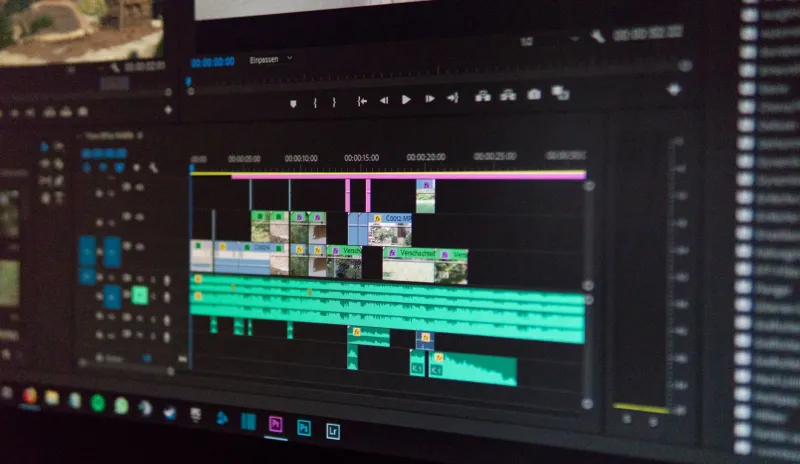
YouTube's compression algorithm is not your friend. Neither is TikTok's. Neither is Instagram's. Every platform you upload to runs your carefully made video through a processing pipeline that was designed for efficiency, not fidelity — a system that makes your images smaller, your colors flatter, and your audio thinner in ways you never consented to and probably didn't even notice.
Most creators just accept this. A growing number have decided to fight back. Not by making cleaner, more platform-optimized content, but by making content so technically hostile that the platforms choke on it — and then calling the wreckage the art.
The Specification as a Weapon
Understanding what's happening here requires a quick detour into the unglamorous world of video specifications. Every streaming platform has a preferred set of parameters — frame rate, color space, audio sample rate, aspect ratio, codec — and content that falls outside those parameters gets automatically processed, sometimes aggressively, to bring it into compliance. The platforms do this invisibly. You upload a file; a different file reaches the viewer.
Experimental creators working in what's become known informally as "hostile format" practice are exploiting this gap. They're delivering files in specifications that force the platform's processing pipeline into visible, audible distress. Color spaces that the platform's encoder can't accurately translate. Frame rates that introduce judder artifacts when transcoded. Aspect ratios that create black bars in unexpected places — or worse, trigger automatic cropping that removes parts of the frame the artist intended you to see.
The results, when they reach a viewer, look and sound like something went wrong. Which is exactly what the artist wanted.
The Deliberate Glitch as Intent
Filmmaker and video artist Theo Nakamura, based in Portland, has spent the last eighteen months developing what he calls a "malfunction catalog" — a documented library of specific file configurations and their predictable failure modes on each major platform. Upload a certain combination of color profile and bit depth to YouTube, and you get a particular kind of banding in the shadows. Push a specific frame rate through TikTok's encoder, and the motion blur artifacts cluster in a recognizable pattern. Instagram's audio normalization, triggered by certain frequency profiles, introduces a compression pumping effect that can be composed around once you know it's coming.
"I'm not guessing anymore," Nakamura explains. "I know exactly what each platform is going to do to my file. So I can design for the output, not the input. The platform becomes a collaborator that doesn't know it's collaborating."
His recent series, Terms of Service, consists of six short videos that each look radically different on YouTube versus Instagram versus TikTok — not because he made multiple versions, but because he made one version engineered to fail differently in each environment. The same file. Completely different viewing experiences depending on where you encounter it.
Aspect Ratios as Political Statements
The aspect ratio conversation is particularly rich. Standard streaming platforms have settled into a comfortable duopoly: 16:9 for horizontal content, 9:16 for vertical. Content that doesn't fit gets letterboxed, pillarboxed, or — on mobile-first platforms — aggressively cropped.
Several artists are using this rigidity as a compositional tool. Shooting in 2.76:1 anamorphic — a format associated with epic cinema from the 1960s — creates a video that, on TikTok, becomes a thin horizontal strip in the center of a phone screen. Most creators would see this as a failure. Artists like Chicago-based Amara Osei see it as a frame within a frame: the black space above and below becomes part of the composition, a visual argument about how platforms constrain what you're allowed to see.
Osei's recent piece Pillarbox Manifesto was shot entirely in 4:3 — the old television ratio — and uploaded to Instagram Reels, which handles it by adding vertical black bars that the platform's interface then partially obscures with its own UI elements. The result is a video where the platform's own chrome becomes part of the viewing experience, where the like button and the comment count intrude on the frame like graffiti on a painting. She didn't design those elements. She designed the conditions that made them inevitable.
Audio as a Vector for Platform Chaos
Video gets most of the attention in these conversations, but audio is arguably the more interesting battlefield. Streaming platforms apply loudness normalization, dynamic compression, and frequency limiting to virtually all uploaded audio — processes that are mostly invisible on conventionally mixed content but become dramatically audible when the source material is designed to expose them.
Creators working with extreme dynamic range — near-silence followed by sudden volume spikes — can trigger a platform's normalization algorithm in ways that create audible pumping and breathing artifacts. Content with significant energy in frequency ranges that platforms typically roll off — sub-bass below 40Hz, high-frequency content above 16kHz — gets processed in ways that change the character of the sound in predictable, exploitable ways.
Brooklyn-based sound artist and video creator Zola Ferris has been developing a practice she calls "normalization judo" — using the platform's own processing against itself by feeding it material specifically designed to make the algorithm's interventions audible. Her videos sound deliberately wrong in ways that are too consistent and too specific to be accidental. The compression artifacts aren't noise; they're notes.
The Ethics of Breaking Things on Purpose
There's a reasonable question embedded in all of this: is breaking platforms actually doing anything, or is it just a clever technical trick that most viewers won't understand or notice?
The artists working in this space tend to have a pretty direct answer. The platforms break their work constantly, automatically, without permission or notice. Every upload is already a negotiation with an algorithm that doesn't care about artistic intent. Turning that negotiation into an explicit, intentional act — making the platform's violence visible rather than invisible — is itself a political statement, regardless of whether every viewer catches the reference.
And some viewers absolutely do catch it. The comment sections on Nakamura's videos are full of people asking why the image looks the way it does, which opens a conversation about what platforms actually do to the content they host. That conversation, he argues, is part of the work.
Codec warfare isn't going to bring YouTube to its knees. But it might make you look at every video you've ever watched on a streaming platform and wonder what got lost in translation — and whether someone, somewhere, made it that way on purpose.