Ad Nauseam: The Artists Feeding America's Commercials Into the Wood Chipper
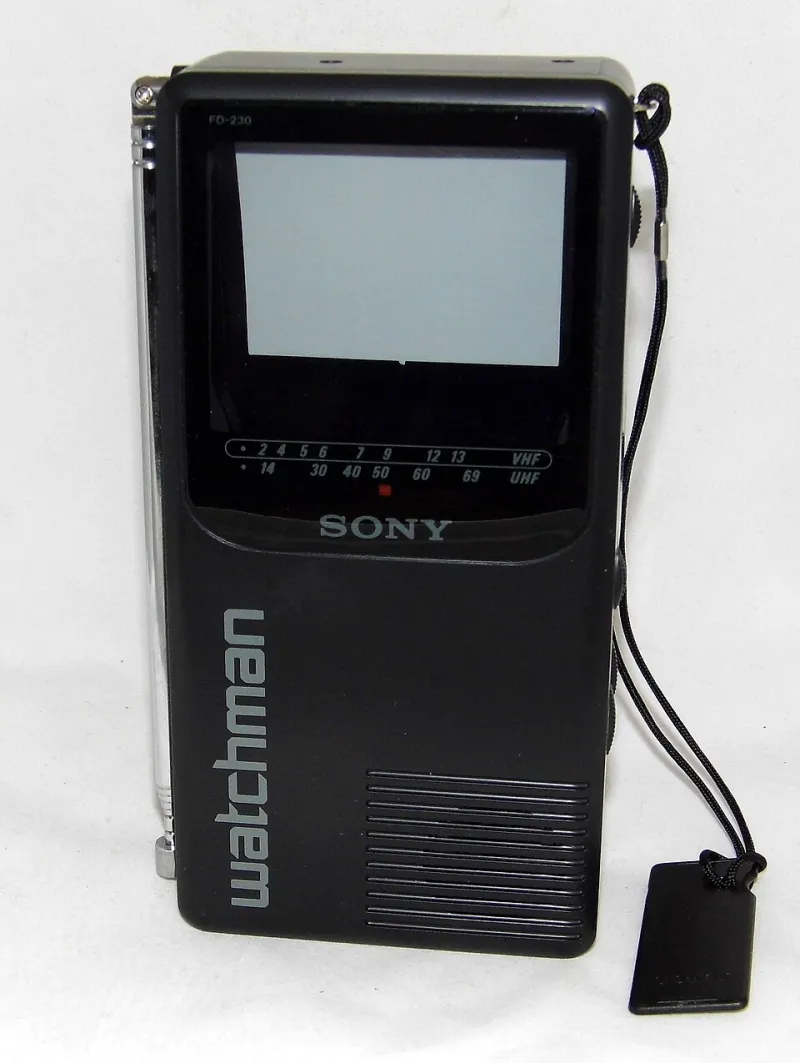
Photo: Joe Haupt from USA, CC BY-SA 2.0, via Wikimedia Commons
Let's say the quiet part loud: American advertising is the largest archive of experimental footage ever assembled, and almost nobody is allowed to touch it.
Thirty-second gems of manufactured desire, shot by legitimately brilliant cinematographers, scored by composers who deserved better, all of it engineered to bypass your critical thinking — and all of it sitting in a legal minefield. The video artists in this piece have decided the minefield is where the good stuff is.
The Archive Nobody Claims to Love
Think about what's actually in the ad canon. A fast-food chain hiring a Kubrickian lighting setup to make a burger glisten. Pharma spots where depression is cured by a kayak. Car commercials shot like prestige thrillers. Insurance mascots that have achieved more cultural longevity than most indie bands.
It's absurd, it's ubiquitous, and it's expertly made with money no experimental filmmaker will ever see. One remix artist in Chicago put it to us bluntly: "Corporations spent billions producing the raw material. All I did was rearrange it until it stopped lying."
That rearrangement is the art. We've seen commercials slowed to a crawl until the smiling faces register as horror. Jingle soundtracks pitched down into doom drone. Pharmaceutical side-effect disclaimers re-cut as beat poetry. Super Bowl ads from different decades spliced together so the brands appear to be arguing with each other across time. It's funny until it isn't, which is the entire mechanism.
The Legal Gray Zone Is the Medium
Fair use is the sword these artists live and die by, and it is genuinely a mess. The four-factor test — purpose, nature, amount, market effect — was not written with a glitch artist corrupting a 1993 soda commercial into a nine-minute seizure of branding in mind.
The saving grace, most argue, is transformation. A remix that critiques is legally different from a remix that substitutes. Nobody is watching a deconstructed detergent ad instead of buying detergent; if anything, the spell is broken. Several artists we spoke with deliberately make work that's unwatchable as an ad — degraded, recontextualized, hostile to the product — partly for the message, partly for the paper trail.
Still, the chill is real. Takedowns happen. Some creators screen their ad-based work exclusively at live events, in physical rooms, where there's nothing to DMCA. Others publish under handles, or distribute through the same DIY exhibition networks that have long been a lifeline for work the platforms don't want to touch. The legal ambiguity hasn't killed the form — it's just pushed it back into rooms, which, honestly, might be where it belonged.
Why Ads? Why Now?
Because the ads are the water and everyone's finally noticing they're wet.
American life is saturated with commercial persuasion to a degree that's genuinely historically strange, and a generation raised on adblockers and sponsor-read fatigue has developed a sharp ear for the lie. Cutting an ad open on the editing table is a form of autopsy — you see the sutures, the psychological tricks, the emotional manipulation running in reverse.
There's also a generational reversal worth naming. The found-footage experimentalists of earlier eras hunted Home Movies and government films and bargain-bin VHS. Their material was forgotten; nobody was still profiting off it. Today's remixers are cutting into footage that is not just copyrighted but actively, aggressively alive — work backed by legal departments that would erase every copy on earth if they could. Sampling the culture's living nerve is riskier. It's also more honest about who actually owns the images in your head.
The best of this work does something the original ads never dared: it tells the truth about wanting. A detergent spot wants you to feel inadequate. A remix can show you the inadequacy being manufactured, frame by frame, until the trick is visible and therefore, maybe, beatable.
An Opinion, Since You Asked
Here's our take, and we'll stand on it: the marketing industrial complex has no moral standing to complain. It spent a century sampling the visual language of cinema, music, protest, and childhood without permission or payment. It built its entire apparatus on the unlicensed reuse of human attention. The remixers are simply returning the favor, with interest, and with better politics.
Fair use wasn't designed to protect the powerful from critique. It was designed to make sure culture could talk back to itself. Right now, the sharpest talkback in American visual culture is happening on hard drives in apartments in Chicago, Philadelphia, and Oakland, one corrupted commercial at a time.
The ads made us want things. The remixes make us want to understand why. Only one of those is art.